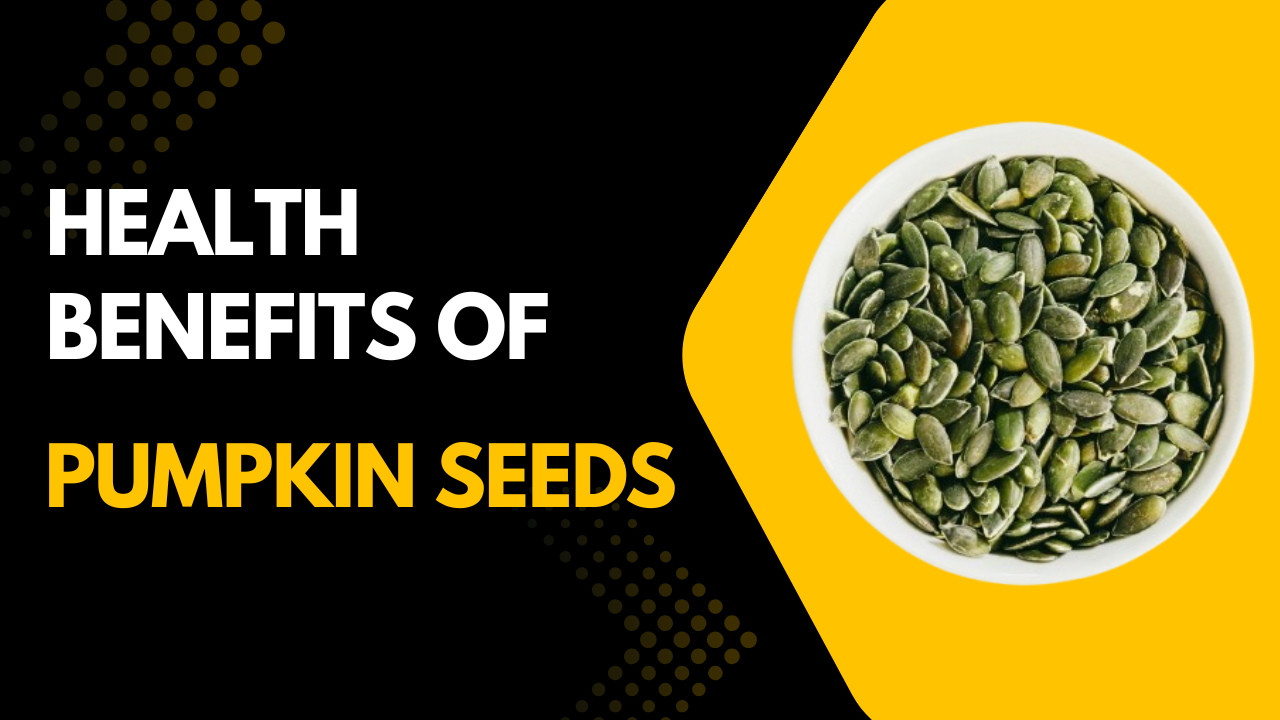
Pumpkin Seeds: Benefits, Nutrition & How to Eat Them for Better Health
Pumpkin seeds, often overlooked, are a true hidden gem in the world of superfoods. These tiny seeds are packed with essential nutrients that can support your health in multiple ways. Whether you’re looking to improve heart health, get better sleep, or add more protein to your diet, pumpkin seeds are a great choice. The best part? They are easy to add to your diet and can be enjoyed in many different ways.
Vitamins & Minerals
- Magnesium: Pumpkin seeds are an excellent source of magnesium, which helps with muscle function, bone health, and regulating blood sugar.
- Zinc: These seeds provide a good amount of zinc, which supports your immune system and helps your body heal.
- Iron: A serving of pumpkin seeds also gives you a decent amount of iron, important for energy and healthy blood flow.
- Vitamin E: This antioxidant helps protect your skin and cells from damage.
Other Key Nutrients
- Omega-3 Fatty Acids: These are healthy fats that support your heart and brain.
- Amino Acids: Pumpkin seeds are a complete protein, meaning they contain all nine essential amino acids your body needs.
Health Benefits of Eating Pumpkin Seeds Regularly
Pumpkin seeds aren’t just tasty; they also offer a variety of health benefits. Here’s how they can improve your overall well-being:
1. Supports Heart Health
Pumpkin seeds are full of magnesium and omega-3 fatty acids, both of which help regulate blood pressure, lower cholesterol, and support overall heart health. They can reduce the risk of heart disease and help maintain healthy blood flow (source).
2. Boosts Immunity
Zinc is crucial for your immune system, and pumpkin seeds are a great source of it. A strong immune system helps protect you from colds, infections, and even chronic illnesses (source).
3. Improves Sleep
Pumpkin seeds contain tryptophan, an amino acid that helps your body produce serotonin and melatonin. These two compounds are essential for regulating your mood and sleep patterns. A small handful of pumpkin seeds before bed may help you relax and sleep more soundly (source).
4. Supports Prostate Health
For men, pumpkin seeds may be particularly beneficial for prostate health. Studies suggest that pumpkin seeds can reduce symptoms of benign prostatic hyperplasia (BPH), a common condition that causes prostate enlargement as men age (source).
5. Anti-Inflammatory and Antioxidant Properties
Pumpkin seeds are full of antioxidants like vitamin E and carotenoids. These help reduce inflammation in the body and protect your cells from damage caused by free radicals. This can lower your risk of chronic diseases and support healthy aging (source).
How to Incorporate Pumpkin Seeds Into Your Diet:
Adding pumpkin seeds to your daily meals is easier than you think. Here are some simple ways to eat pumpkin seeds:
Snack on Them
Pumpkin seeds make an excellent, crunchy snack. You can eat them raw or roast pumpkin seeds with a little bit of salt, or spice them up with your favorite seasonings like cinnamon, garlic, or chili flakes.
Blend Them into Smoothies
Add a tablespoon of raw pumpkin seeds to your smoothie for a protein and nutrient boost. They go perfectly with fruits like bananas, berries, and even spinach.
Top Your Salads or Grain Bowls
Sprinkle roasted pumpkin seeds over your salads, grain bowls, or roasted veggies for extra crunch and flavor. They’re a great way to add texture and nutrition to any meal.
Make Homemade Granola
Pumpkin seeds are a fantastic addition to homemade granola. Combine them with oats, honey, and other seeds or nuts for a nutrient-packed breakfast or snack.
Try Pumpkin Seed Butter
If you love nut butters, pumpkin seed butter is a great alternative. Spread it on toast or use it as a dip for fruits like apples and pears.
For more recipe ideas, check out The Spruce Eats.
Raw vs. Roasted: Which is Better?
You might wonder whether raw pumpkin seeds or roasted pumpkin seeds are the better option. Both have their benefits:
Raw Pumpkin Seeds
- Nutrient Preservation: Raw seeds retain all of their nutrients, including healthy fats, antioxidants, and vitamins.
- Considerations: Some people may find them harder to digest or a bit too chewy.
Roasted Pumpkin Seeds
- Enhanced Flavor: Roasting brings out a deeper flavor and crunch, making them a popular snack choice.
- Considerations: Roasting can cause some nutrient loss, especially if the seeds are cooked at high temperatures. To preserve most of the nutrients, roast them at a low temperature (around 300°F).
For a deeper dive on raw vs. roasted nuts, visit Healthline.
Potential Side Effects and Things to Keep in Mind
While pumpkin seeds are healthy, it’s important to consume them in moderation. Here’s what you should know:
1. Portion Control
Pumpkin seeds are nutrient-dense and calorie-rich, so it’s easy to overeat. A typical serving is about 1 ounce (28 grams), which is roughly a small handful. This amount will give you a good balance of nutrients without overloading on calories.
2. Allergies
Although rare, some people may be allergic to pumpkin seeds. If you have a seed or nut allergy, consult with a doctor before adding them to your diet. Learn more about seed allergies at the American College of Allergy, Asthma & Immunology.
3. Digestive Issues
Because pumpkin seeds are high in fiber, eating too many at once may cause bloating or digestive discomfort. Start with a small amount and gradually increase your intake.
For more on seed allergies and potential side effects, check Medical News Today.
Why You Should Make Pumpkin Seeds a Regular Part of Your Diet
They’re packed with essential nutrients that support everything from heart health to immune function, sleep, and beyond. Whether you’re snacking on them, adding them to meals, or using them in recipes, these seeds can make a big impact on your health.
By incorporating pumpkin seeds into your daily diet, you’re not only treating yourself to a tasty snack but also boosting your overall wellness with a variety of key vitamins, minerals, and healthy fats.