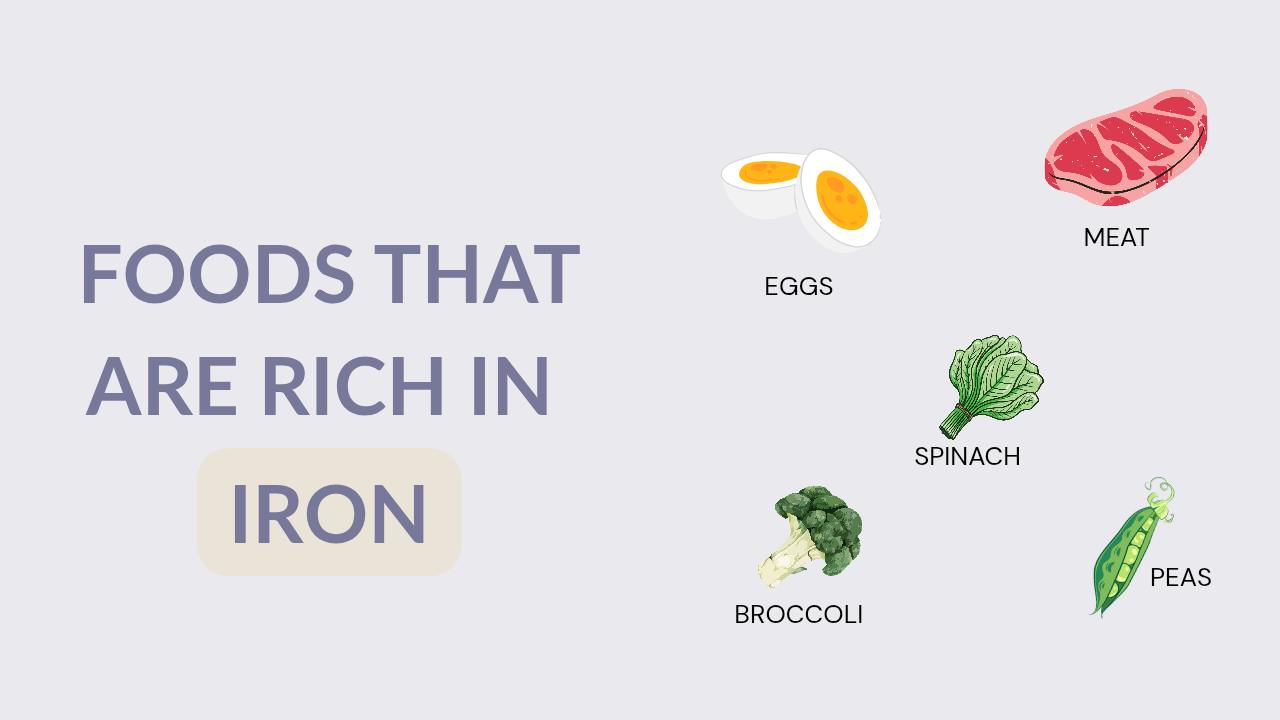
Boost Your Iron Levels Naturally with These Iron-Rich Foods
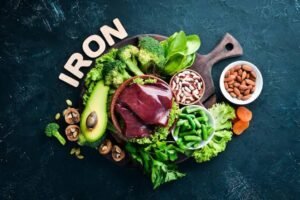
Iron is crucial for our body’s overall health—helping to transport oxygen, maintain energy levels, and support brain function. In India, iron deficiency is quite common, especially among women and children. If you’ve been feeling constantly tired, pale, or weak, it might be time to check your iron intake. Luckily, there’s no need for supplements; simply adding more iron-rich foods to your diet can help you feel energized and healthy.
Why Is Iron Important?
Iron helps in producing hemoglobin, the protein in red blood cells that carries oxygen throughout your body. Without enough iron, you may experience symptoms like:
- Fatigue
- Paleness
- Frequent headaches
- Dizziness
- Shortness of breath
These are often signs of iron deficiency, a condition that can be avoided by eating the right foods.
Who’s at Risk in India?
In India, women, children, and vegetarians are at a higher risk of being iron-deficient due to dietary habits, cultural practices, and higher iron needs during pregnancy or menstruation. Other high-risk groups include:
- Pregnant or breastfeeding women
- Vegetarians/vegans (due to lack of animal-based foods)
- Children (especially under 5 years)
- Elderly individuals
If you fall into one of these categories, it’s especially important to monitor your iron intake.
Heme vs. Non-Heme Iron:
In Indian diets, there’s a mix of plant-based and animal-based iron sources:
1. Heme Iron (from animal sources)
Heme iron is more easily absorbed by the body and is found in:
- Chicken, mutton, and fish
- Eggs
- Liver (a great source of iron, especially in goat and chicken liver)
2. Non-Heme Iron (from plant-based sources)
Non-heme iron is found in plant foods, but it’s not as easily absorbed as heme iron. Good non-heme sources include:
- Leafy greens like spinach and methi
- Legumes like lentils, chickpeas, and kidney beans
- Fortified cereals
- Nuts and seeds like pumpkin seeds and sesame seeds
- Whole grains like quinoa and brown rice
To improve the absorption of non-heme iron, pair these foods with vitamin C-rich foods like citrus fruits, tomatoes, or bell peppers.
Top Iron-Rich Foods in Indian Diets
Here’s a list of iron-rich foods you can easily include in your diet:
Animal-Based (Heme Iron) Sources:
- Chicken Liver – A powerhouse of iron, especially in dishes like chicken liver curry.
- Mutton – Red meat is an excellent source of heme iron.
- Fish (like sardines, mackerel, and rohu) – Rich in iron and also omega-3 fatty acids.
- Eggs – A great source of heme iron, perfect for a healthy breakfast or in egg curry.
- Goat Meat – A rich, iron-packed option.
Plant-Based (Non-Heme) Sources:
- Spinach – Try palak in dishes like palak paneer or paratha.
- Methi (Fenugreek leaves) – A common addition in Indian meals, add it to sabzis or parathas.
- Lentils (dal) – A staple in Indian kitchens, packed with iron.
- Chickpeas – Essential in chana masala or chickpea curry.
- Tofu – A great source of non-heme iron, and a wonderful meat substitute.
- Sesame Seeds (Til) – Often used in til ke ladoo and til chutney.
- Pumpkin Seeds – Great as a snack or sprinkled on salads and curries.
How to Boost Iron Absorption:
To ensure you get the most out of your iron-rich meals, here are a few tips:
Pair Iron-Rich Foods with Vitamin C –
Vitamin C helps absorb non-heme iron. In India, this can be easily done by adding:
- Amla (Indian gooseberry)
- Guava
- Citrus fruits (like oranges or lemons)
- Tomatoes
- Bell peppers
- Coriander leaves (koriander)
Avoid Tea or Coffee with Meals –
Both tea and coffee contain tannins, which can block iron absorption. If you’re drinking tea, try to do so 1–2 hours before or after meals.
Should You Take Iron Supplements?
In most cases, iron-rich foods are enough to meet your iron needs. However, if your doctor has diagnosed you with iron deficiency anemia, supplements may be recommended. But always check with your healthcare provider before taking supplements, as too much iron can cause health issues.
For more information on iron supplements, refer to this Cleveland Clinic Guide.
Simple Iron-Rich Meal Ideas:
- Palak Paneer with Chapati – Combine spinach with iron-rich paneer.
- Chana Masala with Brown Rice – Chickpeas paired with brown rice, packed with iron.
- Methi Thepla – Fenugreek leaves wrapped in whole wheat flour for an iron-packed breakfast.
- Egg Curry with Chapati – A classic that’s full of heme iron.
- Dal Tadka – Lentils (dal) with garlic, ghee, and cumin—served with rice.
Quick Iron Reference Chart:
| Food | Iron (mg per serving) | Best Pairing Tip |
|---|---|---|
| Chicken liver | 6.2 | Pair with lemon or citrus juice |
| Spinach | 3.6 | Add a dash of lemon for better absorption |
| Lentils | 3.3 | Pair with tomatoes or bell peppers |
| Sesame seeds | 2.5 | Eat with orange juice or lemon |
| Eggs | 1.0 | Combine with a vitamin C-rich vegetable like tomatoes |
Boosting your iron intake doesn’t have to be hard. By incorporating iron-rich foods into your meals, such as lentils, spinach, mutton, or chickpeas, you’ll naturally improve your energy levels and overall health. With just a few smart changes to your diet, you’ll feel more energized and healthier in no time.
For more tips on boosting iron intake, visit Harvard Health.
Have any questions? Drop them in the comments below and let’s chat about how you’re improving your iron intake!