Healthy Indian Foods That Might Be Damaging Your Health
When it comes to Indian foods, many traditional or vegetarian dishes are automatically assumed to be healthy. But not all that glitters is gold — and not all “good” foods are actually good for you.
Let’s take a closer look at popular Indian foods that might be harming your health without you even realizing it — and what smarter alternatives look like.
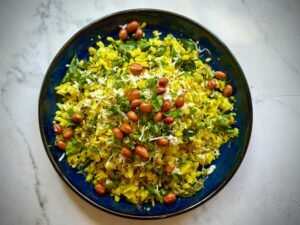
1. Poha
Why It Seems Healthy:
- Low in fat
- Light on the stomach
- Popular “diet” breakfast
The Hidden Problem:
Poha is made from white rice, which is a refined grain. It lacks fiber and essential nutrients, and refined carbs are known to cause blood sugar spikes. If eaten plain or with little protein, it can lead to energy crashes and overeating later.
👉 Better Alternative:
Mix in vegetables, sprouts, and top with a boiled egg or have curd on the side to increase fiber and protein content.
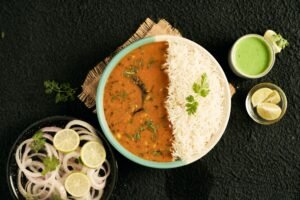
2. White Rice with Dal
Why It Seems Healthy:
- Staple Indian comfort food
- Combines carbohydrates and protein
The Hidden Problem:
White rice has a high glycemic index and is quickly digested, causing sugar spikes. While dal adds protein, the carb-to-protein ratio is still imbalanced, especially for those managing weight or diabetes.
👉 Better Alternative:
Switch to whole grains like brown rice or millets such as foxtail or kodo millet. Add greens or paneer to the dal for better protein balance.
3. Brown Bread

Why It Seems Healthy:
- Marketed as a healthier swap for white bread
The Hidden Problem:
Most “brown bread” in Indian supermarkets is still made from refined flour (maida), with just caramel coloring added for appearance. It lacks true whole grain content.
👉 Better Alternative:
Look for 100% whole wheat or multigrain breads (check the ingredient list!). Or better yet, use homemade rotis made from millet flour or multigrain atta.
4. Aloo-Based Snacks

Why It Seems Healthy:
- Traditional and homemade (samosa, aloo paratha, batata vada)
The Hidden Problem:
White potatoes are high in starch and low in fiber or protein. When fried, they absorb harmful trans fats that increase heart disease risk. These foods are also highly calorie-dense but not very filling.
👉 Better Alternative:
Use sweet potatoes (lower GI and more fiber) or combine aloo with greens like spinach or methi. Bake or shallow-fry instead of deep-frying.
5. Flavored Yogurt and Lassi

Why It Seems Healthy:
- Rich in calcium and probiotics
- A digestive aid in traditional diets
The Hidden Problem:
Flavored yogurts and sweetened lassis often contain added sugars comparable to desserts, undermining their health benefits. Even homemade lassis can go overboard with sugar.
👉 Better Alternative:
Stick to plain curd or buttermilk (chaas) with mint and roasted jeera. Add a bit of fruit or honey if needed — but sparingly.
6. Tea with Milk and Sugar

Why It Seems Healthy:
- Daily ritual in many Indian homes
- Contains polyphenols and antioxidants
The Hidden Problem:
Adding milk to tea can reduce its antioxidant capacity. Excess sugar and multiple cups per day contribute to higher calorie intake and reduced insulin sensitivity.
👉 Better Alternative:
Try herbal tea, black or green tea without sugar. Limit chai with milk to one cup a day and cut down sugar gradually.
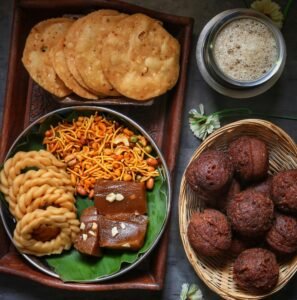
7. Namkeen and Roasted Snacks
Why It Seems Healthy:
- Roasted instead of fried
- Protein-rich items like chana chor garam or peanuts
The Hidden Problem:
Even roasted namkeens are often high in sodium, contain low-quality fats, and use artificial flavorings. Portion control is usually poor, and added spices can cause bloating or acidity.
👉 Better Alternative:
Roast makhana, chickpeas, or peanuts at home with minimal oil, salt, and natural spices.
Just because a food is:
- Homemade
- Vegetarian
- Traditional
- Light on the stomach
…doesn’t mean it’s automatically healthy.
Smart Eating Principles:
- Control portions
- Focus on balanced meals (carbs + protein + fiber)
- Choose whole, unprocessed ingredients
- Be mindful of food marketing and health halos
Are any of these indian foods part of your daily diet? Drop a comment below and let us know!
👉 Share this post with someone who’s been eating “healthy” without seeing results!
ALSO READ : Top 5 Hair Oils That Work for Hair Thinning and Growth