Traditional Indian Food Combinations That Improve Digestion And Nutrition
Are you eating all the right foods but still not feeling your healthiest? You might be missing one crucial piece of the puzzle: how foods interact when eaten together. In Indian households, many age-old food combinations like dal-chawal or haldi-doodh are passed down generations not just for taste, but because they actually make the nutrients in our meals work better for our bodies. This concept is known as nutrient synergy, and it’s backed by science as well as ancient traditions like Ayurveda.
Let’s explore how everyday Indian food pairings can unlock greater nutrition and offer you more health benefits than eating those same foods on their own. This article will also help you understand the logic behind these pairings so you can apply them daily with ease.
What Is Nutrient Synergy and Why It Matters
Nutrient synergy happens when certain nutrients enhance each other’s absorption or function in the body. For example, iron from plant sources is better absorbed in the presence of vitamin C (source). Similarly, fat-soluble vitamins like A, D, E, and K need dietary fat to be absorbed effectively.
In Indian cuisine, these food combinations naturally show up in traditional meals. Our ancestors may not have had the scientific terms, but they definitely understood which foods “go well together” for better health.
Dal-Chawal and Other Pairings
One of the most common Indian meals—dal with rice—isn’t just about comfort food. It’s actually a powerful protein combo, especially for vegetarians. Pulses like dal lack some essential amino acids, while rice lacks others. Together, they complement each other and form a complete protein, similar to what you would get from animal sources (source).
Adding a squeeze of lemon to dal or sabzi is another smart move. It not only elevates the taste but also enhances iron absorption due to the presence of vitamin C in citrus fruits. This is particularly important for those who rely heavily on plant-based sources of iron, which are otherwise harder to absorb.
Turmeric and Black Pepper: A Healing Duo
Turmeric (haldi) is celebrated for its anti-inflammatory and antioxidant properties, mostly due to a compound called curcumin. However, curcumin on its own is poorly absorbed in the bloodstream. Black pepper contains piperine, which boosts the bioavailability of curcumin by up to 2000% (source).
That’s why it’s a good idea to add a pinch of black pepper whenever you use turmeric—be it in curries, milk, or teas. This classic combination not only enhances flavor but significantly improves the health benefits you get from turmeric.
Why Ghee Deserves a Place on Your Roti
There’s a reason why grandmothers insist on spreading a little ghee on hot rotis. Apart from making them tastier and softer, ghee helps slow down the glycemic impact of carbohydrates. It also aids the absorption of fat-soluble vitamins like Vitamin A (found in vegetables like carrots) and Vitamin D (source).
Cooking vegetables like carrots in ghee or mustard oil enhances the availability of beta-carotene, a precursor to Vitamin A. So the next time you make gajar sabzi, don’t shy away from adding a spoon of ghee.
Gut-Friendly Combos: Curd and Rice, Jeera and Buttermilk
Curd and rice, a staple in many South Indian homes, do much more than cool you down in summer. This combination is gentle on the stomach, rich in probiotics, and excellent for digestive health (source). The carbs in rice provide energy while the curd adds beneficial bacteria to improve gut flora.
Pairing buttermilk with roasted cumin (jeera) is another Ayurvedic favorite. Jeera aids digestion and reduces bloating, making this drink a great post-meal refresher. These combinations support your digestive system, which is crucial for nutrient absorption and overall health.
The Role of Vitamin C in Iron Absorption
Iron deficiency is common, especially among women in India. While foods like spinach and jaggery are rich in iron, the body doesn’t absorb plant-based (non-heme) iron as easily. That’s where vitamin C-rich foods like lemon, amla (Indian gooseberry), and oranges come in (source).
Amla and jaggery, for example, make a powerful duo. Amla enhances the absorption of iron from jaggery, making this traditional combination an effective natural remedy for low hemoglobin levels. You can incorporate this in your diet through chutneys or homemade ladoos.
Protein Power in Rajma-Chawal and Chole-Chawal
Another comforting yet powerful food pairing in Indian households is rajma-chawal or chole-chawal. Like dal-chawal, these meals provide a complete amino acid profile when pulses are combined with grains. The legume supplies lysine, which is low in rice, while rice provides methionine, which is low in legumes (source).
This makes these combinations perfect for muscle repair and energy, especially in vegetarian diets. Add some raw onion and a dash of lemon for enhanced flavor and better iron absorption.
Rethinking Mango and Milk: A Controversial Yet Powerful Pair
You may have heard that mango and milk is a “bad” combination. While Ayurveda cautions against combining sour or unripe mangoes with milk, ripe sweet mangoes and room-temperature milk can actually form a nourishing combo. This pairing boosts energy, digestion, and immunity when done right (source).
Think of the popular mango milkshake, but make it healthier by avoiding sugar and using fresh, ripe mangoes. The natural enzymes in mango assist digestion, while milk offers protein and calcium.
When Food Combinations Go Wrong: What to Avoid
While some food combinations boost nutrition, others may hinder digestion or reduce nutrient uptake. For instance, combining milk with salty or sour foods like parathas or citrus fruits can lead to heaviness and poor digestion. Ayurveda also discourages pairing fish with curd, which can disrupt digestive balance (source).
Another common mistake is mixing honey with hot water or cooking it. Ayurveda says this can make honey toxic. Use honey in lukewarm water or at room temperature to retain its natural benefits.
How to Build a Balanced Indian Thali Using Smart Combos
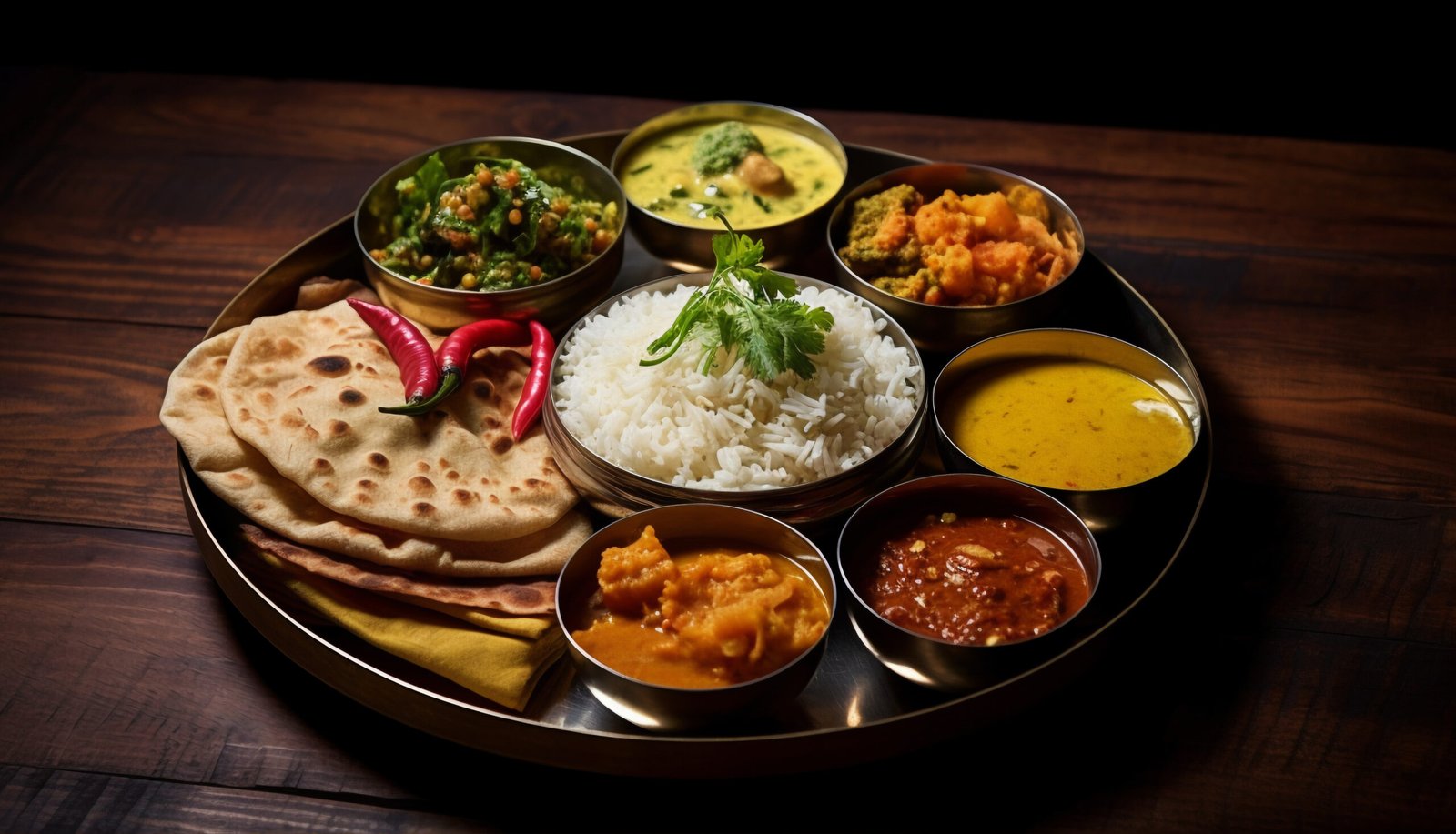
A typical Indian thali already includes most elements for a balanced meal: carbs, protein, fiber, fat, and micronutrients. By understanding food synergy, you can enhance the value of your thali further.
Include:
- Dal or legumes with rice or roti for protein
- A sabzi cooked in ghee or oil for fat-soluble vitamins
- A raw salad with lemon for vitamin C
- Curd or buttermilk for probiotics
- A small piece of jaggery or fruit to complete the meal
This not only makes your plate colorful and tasty but also nutritionally powerful.
Frequently Asked Questions (FAQs)
Can food combinations really improve nutrient absorption?
Yes. Some nutrients require others to be absorbed efficiently. For example, fat is needed to absorb vitamins like A and D, while vitamin C improves iron absorption.
What is the best Indian combo for iron deficiency?
Spinach with lemon juice or amla with jaggery are excellent combinations that help improve iron levels naturally.
Are rice and dal enough for protein?
Yes, when eaten together, they provide all essential amino acids, forming a complete protein.
Which Indian food pairs help with digestion?
Curd and rice, jeera and buttermilk, and ginger with lemon water are some examples.
Are there harmful combinations in Indian cuisine?
Yes. Milk with salty food, honey with hot water, and curd with fish are considered poor combinations in Ayurveda.
Eat Smart, Not Just Healthy
Good nutrition isn’t just about what you eat, but how you eat it. Indian cuisine, rich in variety and traditional wisdom, offers many examples of food synergy that we often overlook. By making small adjustments to your daily meals—like squeezing lemon on your greens or cooking your vegetables in ghee—you can unlock far more nutrition from the same ingredients.
The beauty of these food combinations lies in their simplicity. They don’t require exotic ingredients or complex recipes. Most of them are already part of Indian homes. All you need is awareness and a little mindfulness to make your food not just filling, but truly nourishing.
Start with one or two of these pairings this week. Notice how your body responds. And gradually, let the age-old wisdom of Indian food traditions guide your way to better health.