Moringa has gained a lot of popularity in recent years. It’s often promoted as powerful superfood, said to have a lot of benefits for your skin, hair, eyes, digestion and even immunity. From wellness influencers to old-school systems like Ayurveda, everything seems to have something positive to say about moringa. But is it really worth the hype?
In this post, I’ll breakdown everything you need to know about moringa – from the science-based health benefits, side effects, risks and best ways to take it. So, whether you’re just curious or already consuming moringa, this post will help you clear the confusion and FAQs.
5 Science-Based Benefits of Moringa
- Blood Pressure: Moringa is rich in antioxidants like quercetin and chlorogenic acid, which helps in lowering blood pressure and improve heart health.
- Blood Glucose: Moringa can help keep those sudden blood sugar spikes in check after meals, making it effective in managing type 2 diabetes.
- Detoxification: Moringa helps in liver detoxification.
- Inflammation: Moringa helps in calm inflammation, which is why it can ease joint pain, arthritis and even some auto immune issues.
- Digestion: Moringa acts as prebiotics, promoting good gut bacteria and supports digestion.
Moringa’s Hidden Benefits: Hormones, Weight, Skin & Hair
Hormonal Balance & Fertility
Here’s something most people don’t realize — moringa actually impacts your hormones. For men, it’s been linked to boosted testosterone and better fertility, thanks to its antioxidants and zinc content. On the women’s side, moringa may help manage PCOS, irregular periods, and even menopause symptoms. It’s not some magic pill, but it does support balance in a gentle, natural way.
There’s also talk about its effects on thyroid health, especially in cases of hypothyroidism. While the research is still in the early stages, some traditional systems already use it that way.
One thing to note: if you’re pregnant or breastfeeding, moringa leaves are generally considered safe — and even encouraged in some cultures to help with milk supply. But avoid the roots and bark, since they can contain compounds that might trigger uterine contractions.
Weight Management
Let’s be clear — moringa won’t melt fat overnight. But it does help in smarter ways. It keeps blood sugar steady, improves digestion, and curbs appetite naturally because of its fiber and protein content. If you’re consistent and pair it with a decent lifestyle, you’ll likely notice results in about 4 to 6 weeks.
Want the best effect? Stick with moringa powder instead of capsules. The powder has all the good stuff intact — like fiber and phytonutrients — which often get stripped away in processed formats.
Skin and Hair
Now here’s a hidden gem — moringa oil. Pressed from the seeds, it’s starting to make waves in the skincare world. It’s super lightweight, won’t clog pores, and is loaded with oleic acid, which makes it great for acne-prone or aging skin.
It also has cytokinins — compounds that help boost collagen and keep your skin looking firm and fresh. Not to mention, it’s amazing for the scalp. Just massage it in to help with dandruff and stimulate hair growth. Funny enough, not many beauty blogs are talking about this yet — but it works.
How to Take Moringa Daily [safely and effectively]
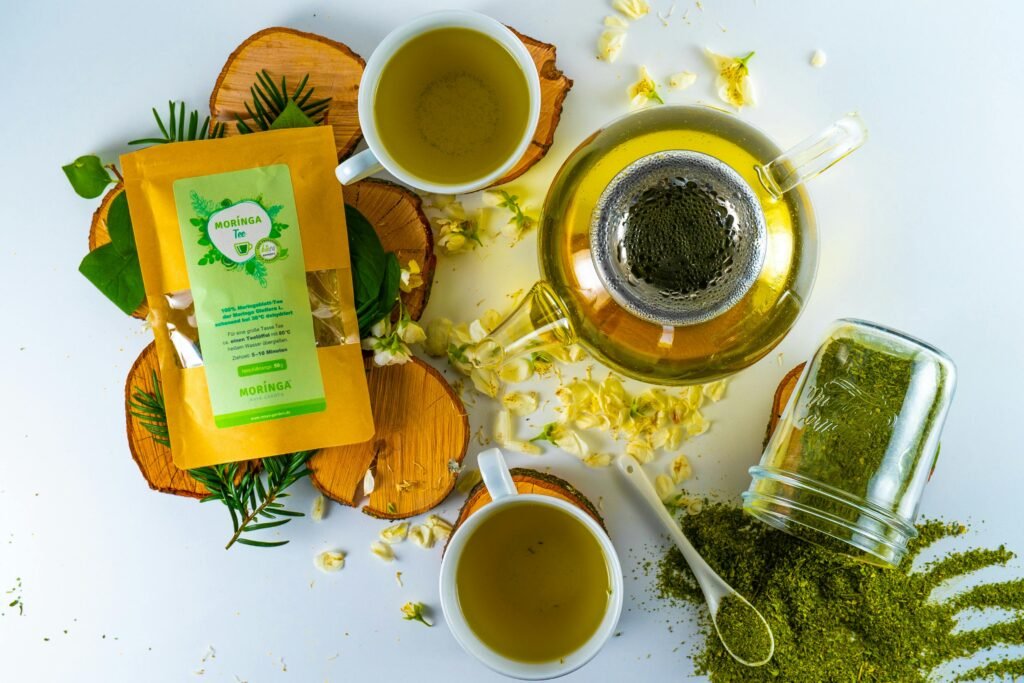
Moringa comes in a bunch of forms — powders, capsules, teas, even oils — but if you’re after the most nutrition, moringa leaf powder is your best bet. It’s super rich in nutrients and easier for your body to absorb compared to other forms.
The taste? It’s a bit earthy and slightly bitter, but nothing a good smoothie can’t fix. Try blending it with banana, pineapple, or even a couple of dates — it actually works really well. And just like with turmeric, a pinch of black pepper can boost absorption, so don’t skip that if you can help it.
One cool thing about moringa is that its nutrients stay pretty stable even after cooking. So if smoothies aren’t your thing, you can still toss it into soups, stir-fries, or even mix it into chutneys. In many Indian homes, moringa finds its way into dishes like sambar or into a refreshing buttermilk drink — kind of a traditional detox, and honestly, one of the most underrated ways to take it.
Now, let’s talk dosage. Most research suggests around 1 to 2 teaspoons a day (that’s about 2–4 grams), or if you’re going with capsules, somewhere between 400 to 800 mg daily. If you’re just getting started, start small — see how your body feels and go from there.
As for when to take it, morning is usually best. It gives a light energy boost and some people even say it helps with focus and mental clarity. Of course, if your stomach’s on the sensitive side, it’s totally fine to have it after a meal instead. No strict rules here — just listen to your body.
want to know more about dosage and safety?
What are The Side Effects and Risks Associated With Moringa:
Moringa is generally safe for most people — especially the leaves — but like anything powerful, it’s not totally risk-free.
For starters, too much moringa can upset your stomach. We’re talking bloating, gas, or mild diarrhea if you go overboard with the dosage, especially when you first start out. So yeah, more isn’t always better.
Also, if you’re on medication for blood pressure, thyroid, or diabetes, moringa might interact with how your body processes those drugs. That doesn’t mean you have to avoid it entirely — just talk to your doctor if you’re on regular meds.
And here’s a big one: don’t mess with the roots or bark unless you really know what you’re doing. They can contain alkaloids that might cause uterine contractions — not something you want during pregnancy. Stick to the leaf powder or capsules unless a qualified practitioner tells you otherwise.
Some people like to give their body a break by doing moringa in cycles — like 4 weeks on, 1 week off — just to avoid overloading their system. It’s not mandatory, but worth trying if you’re using it long term.
Bottom line? Moringa is amazing, but respect the plant. Start small, stay consistent, and listen to how your body responds.
Is Moringa Really Worth It?
Honestly, yes — moringa is one of the most well-rounded natural supplements you can add to your daily routine. It works on so many levels: supports your energy, helps balance hormones, boosts skin and hair health, and just gives your body that overall nourishment it actually needs.
That said, don’t overdo it. Start small, stay consistent, and choose good-quality products. Let your body do the rest.
Here are a few of my recommendations:
Mostly asked FAQs:
Can it replace a multivitamin? Yes, for many users. It naturally provides vitamins A, B, C, E, iron, calcium, potassium, and amino acids.
Is empty stomach consumption okay? Yes, though those with gastritis or IBS may prefer post-meal use.
Can moringa be combined with turmeric or shilajit? Yes. These combinations enhance immunity and inflammation control without negative interaction.